
German Spitz
Deutscher Fuhrmannsspitz, Deutscher Gross Spitz, Deutscher Mittel Spitz, Deutscher Spitz Klein, Wolfspitz
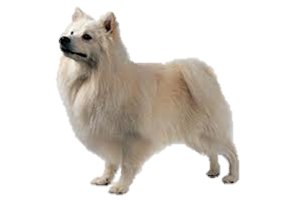
The German Spitz has five varieties that are recognized by the Fédération Cynologique Internationale (FCI), the Wolfspitz, Giant Spitz, Medium Spitz, Miniature Spitz and Toy Spitz. Most of the varieties were developed as companion dogs, however the Wolfspitz was used to herd sheep.
German Spitz Standards
- American Kennel Club (FSS) - Giant/Medium/Miniature
- Fédération Cynologique Internationale (Group 5)
- The Kennel Club (Utility) - Medium / The Kennel Club (Utility) - Miniature
- United Kennel Club (Northern) - Medium/Miniature
Wolf |
Giant |
Medium |
Miniature |
Toy |
17-19" |
16" |
14-15" |
9-11" |
7-8" |
55-66 lbs |
39-40 lbs |
15-22 lbs |
8-11 lbs |
6 lbs |
- sizes vary from toy to large
- prick, triangular ears
- tail curls over back
- long, straight fur has pronounced ruff
Wolf |
Giant |
Medium |
Miniature |
Toy |
Grey Shaded |
Black Brown White |
Any Color |
Any Color |
Any Color |
History of the German Spitz
German Spitz are one of the oldest breeds of dogs and their ancestors are said to date back to the Stone Age. They most likely descend from spitz herding dogs (such as the Samoyed or Swedish Lapphund) that were brought to Europe by Vikings. German literature indicates that they where established by 1450.
While rarely seen outside their homeland, and decreasing in popularity there, some of the German Spitz have developed into different “breeds” elsewhere. The Wolfspitz would find an adoptive home in Holland as the Keeshond. In the 19th century the Toy would be popularized by Queen Victoria and become known worldwide as the Pomeranian. When brought to the United States by German immigrants the solid white Medium Spitz would develop into the American Eskimo Dog. Depending on the view some see these dogs still as one breed, while other Kennel Clubs recognize them with their own set of standards.
Related Breeds: